Tronies
Studies of Everyday Faces

A tronie is a type of painting from the Dutch Golden Age that depicts a character with an interesting facial expression or an unusual costume. Tronies are not portraits: They are not commissioned likenesses of specific people. They were something like album covers of the 20th century—meant to be fun, browsed through, and purchased on a whim.
Because they were popular among the growing middle class, they were part of the livelihood of many artists of the Dutch Golden Age, including Rembrandt, Franz Hals, and Johannes Vermeer.
Adriaen Brouwer—A Tronie Specialist
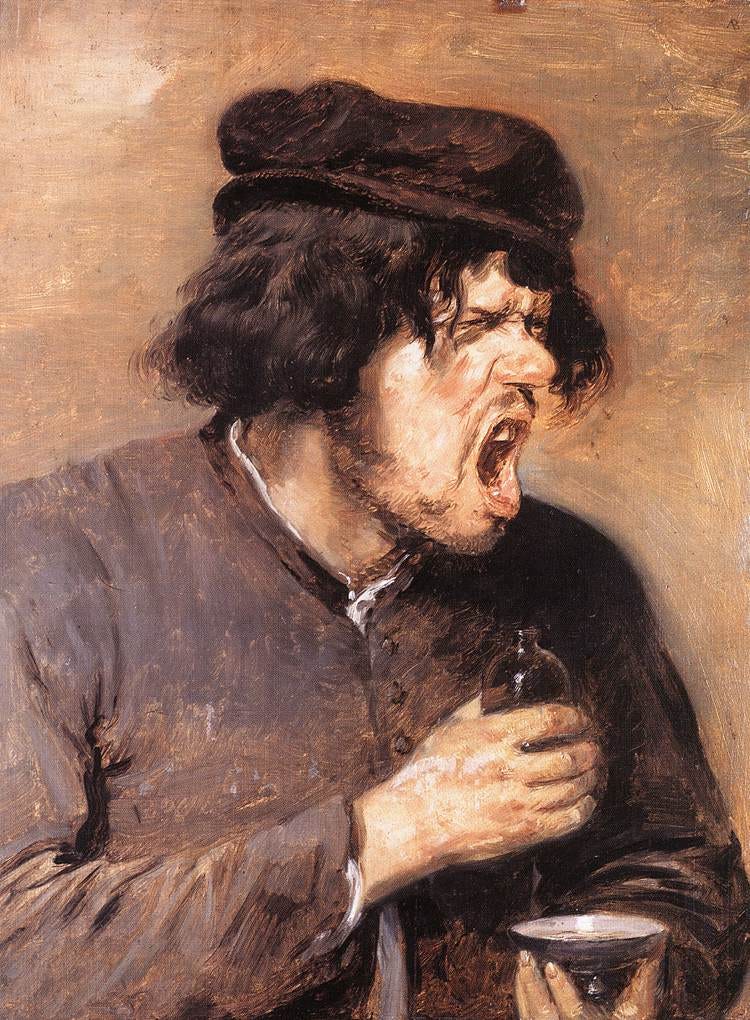
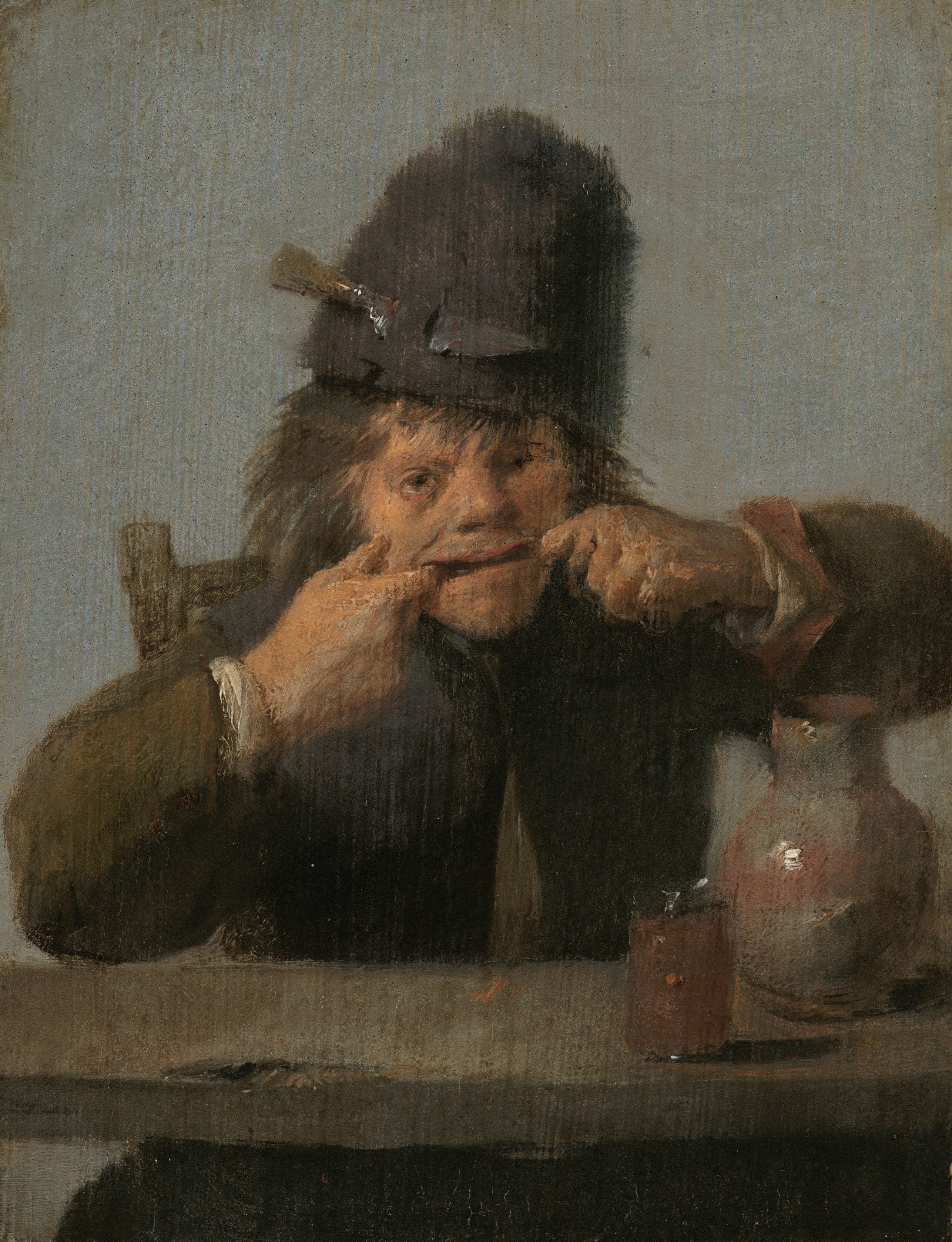
Adriaen Brouwer painted a lot of tronies; he is remembered for little else. He made a living roaming the taverns and workshops of Haarlem and Antwerp in search of interesting people in interesting situations to paint. He no doubt met these two fellows on a couple of those pub crawls.
Rembrandt van Rijn—The Godfather of the Dutch Golden Age
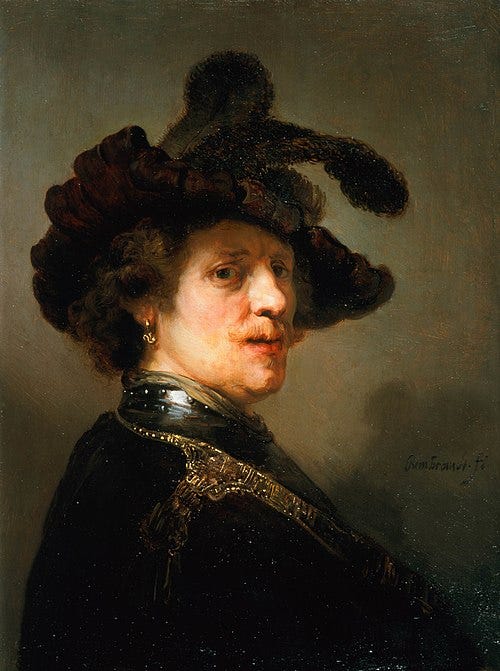
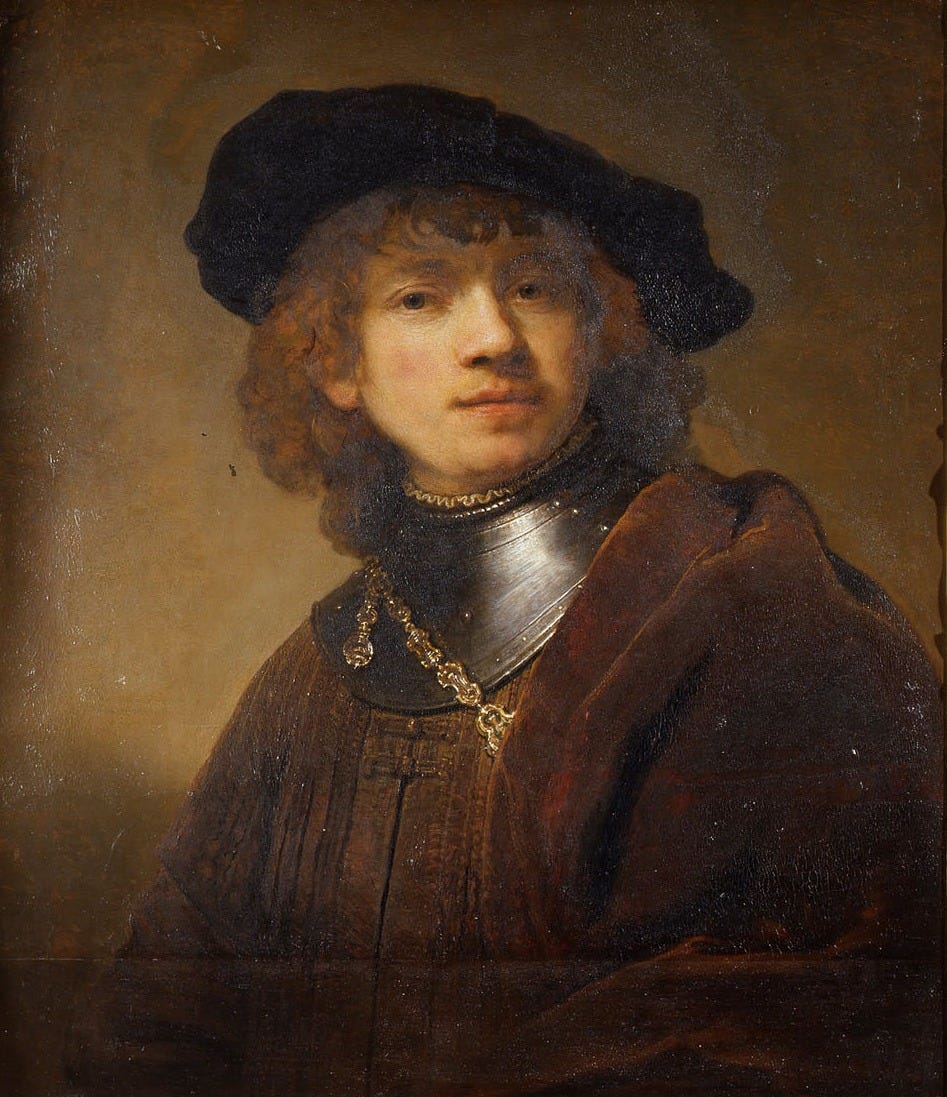
When one thinks of Rembrandt, one thinks of his self-portraits, or scenes from the Bible, or perhaps The Night Watch. But he had to make a living, so he also created a lot of tronies to pay the rent.
Jan Lievens—Rembrandt’s Rival
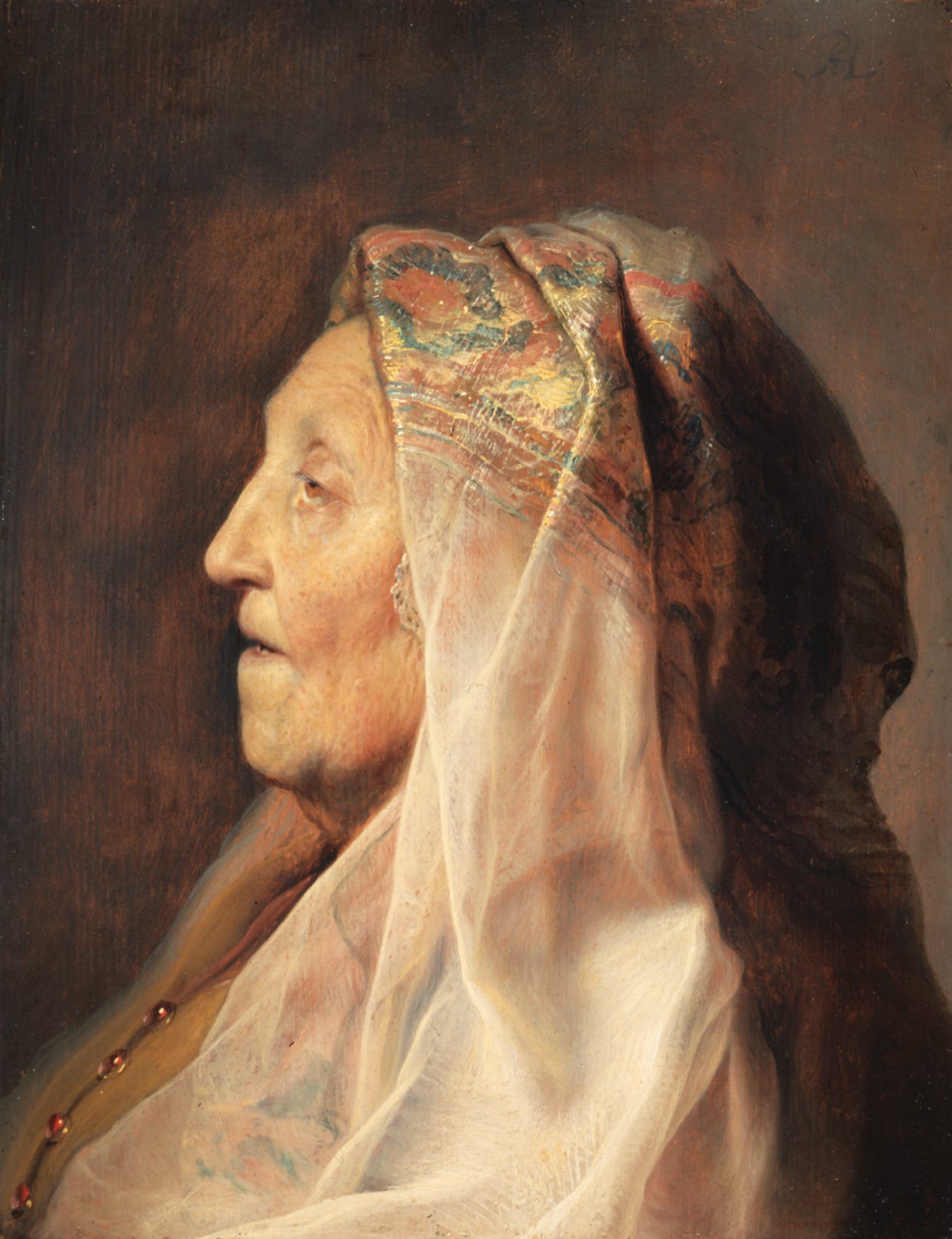
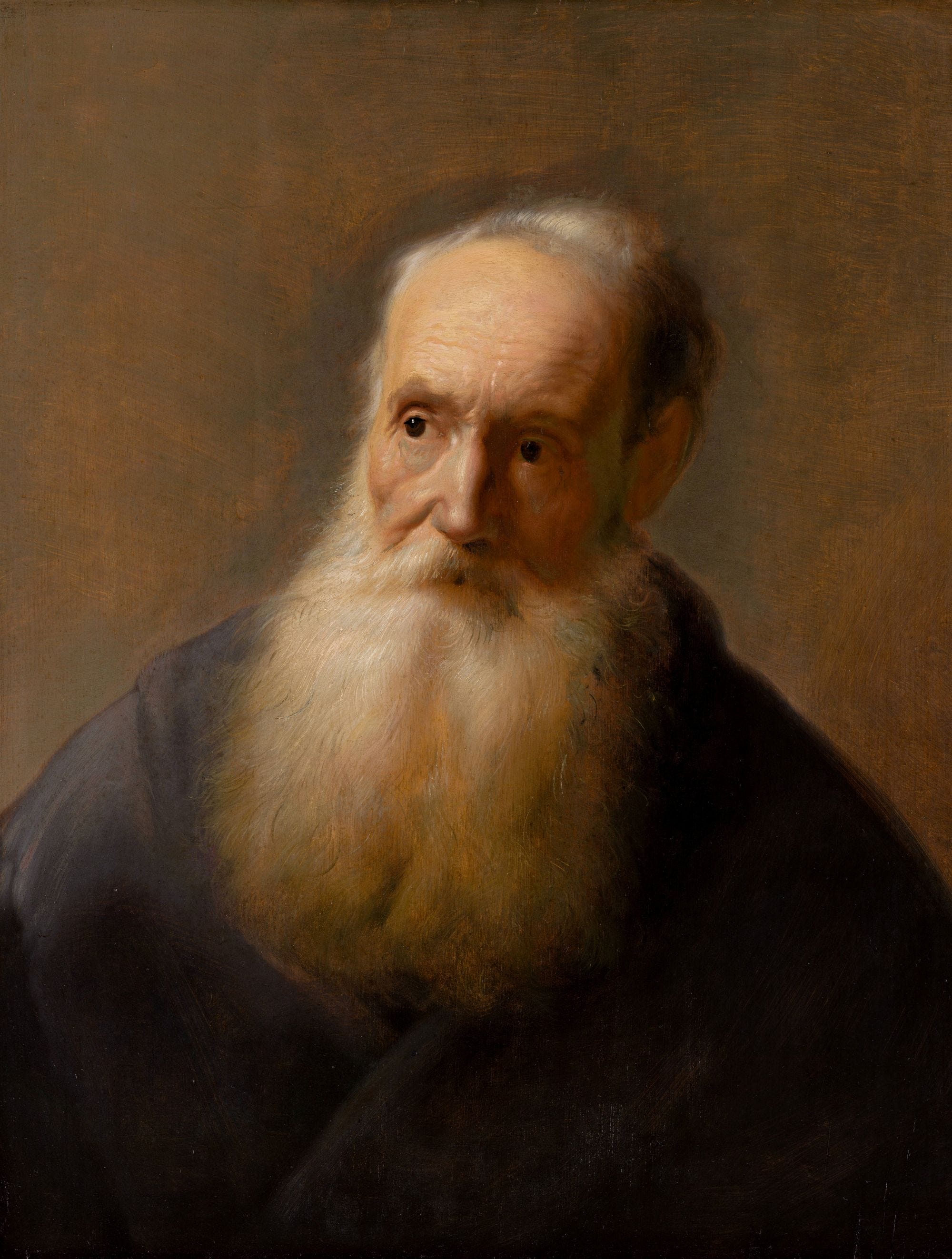
Jan Lievens was a contemporary of Rembrandt’s. He is sometimes described as his student, sometimes as a friend, sometimes as a colleague, and sometimes as a competitor. He was particularly adept at depicting older people, often with wrinkled skin, thinning hair, and missing teeth.
Joos van Crasbeek—Fixated on Smokers
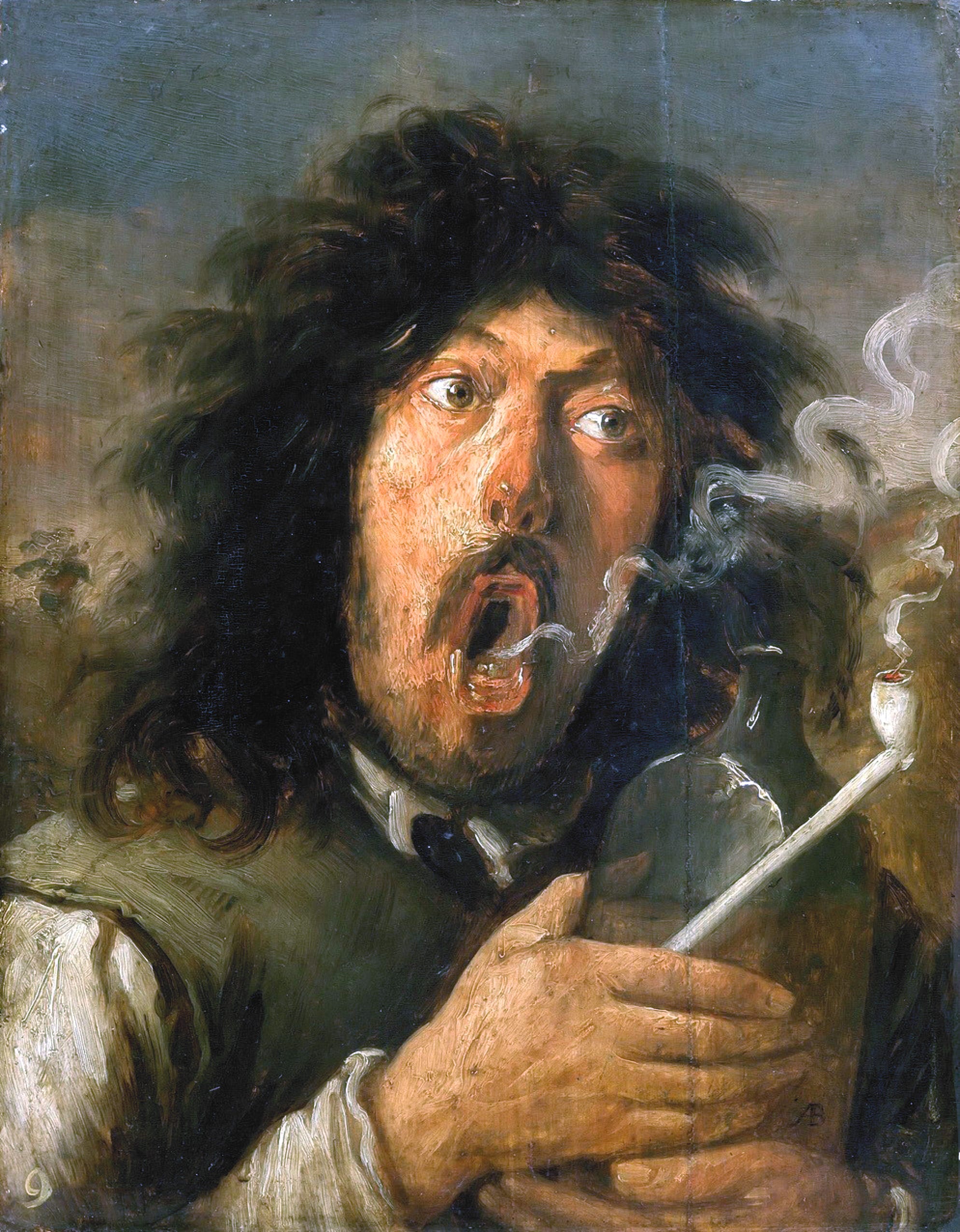
Joos van Craesbeeck was something of a specialist in portraying smokers. Nearly a quarter of his surviving paintings involve a smoker, or a scene in a smoke-filled room. The fellow in this painting is smoking a pipe but seems to be clutching the bottle with much more resolve.
Franz Hals—A Portrait Painter with a Flair for Tronies
Frans Hals is best known for portraiture, but he also painted many tronies to supplement his income alongside the commissioned work.
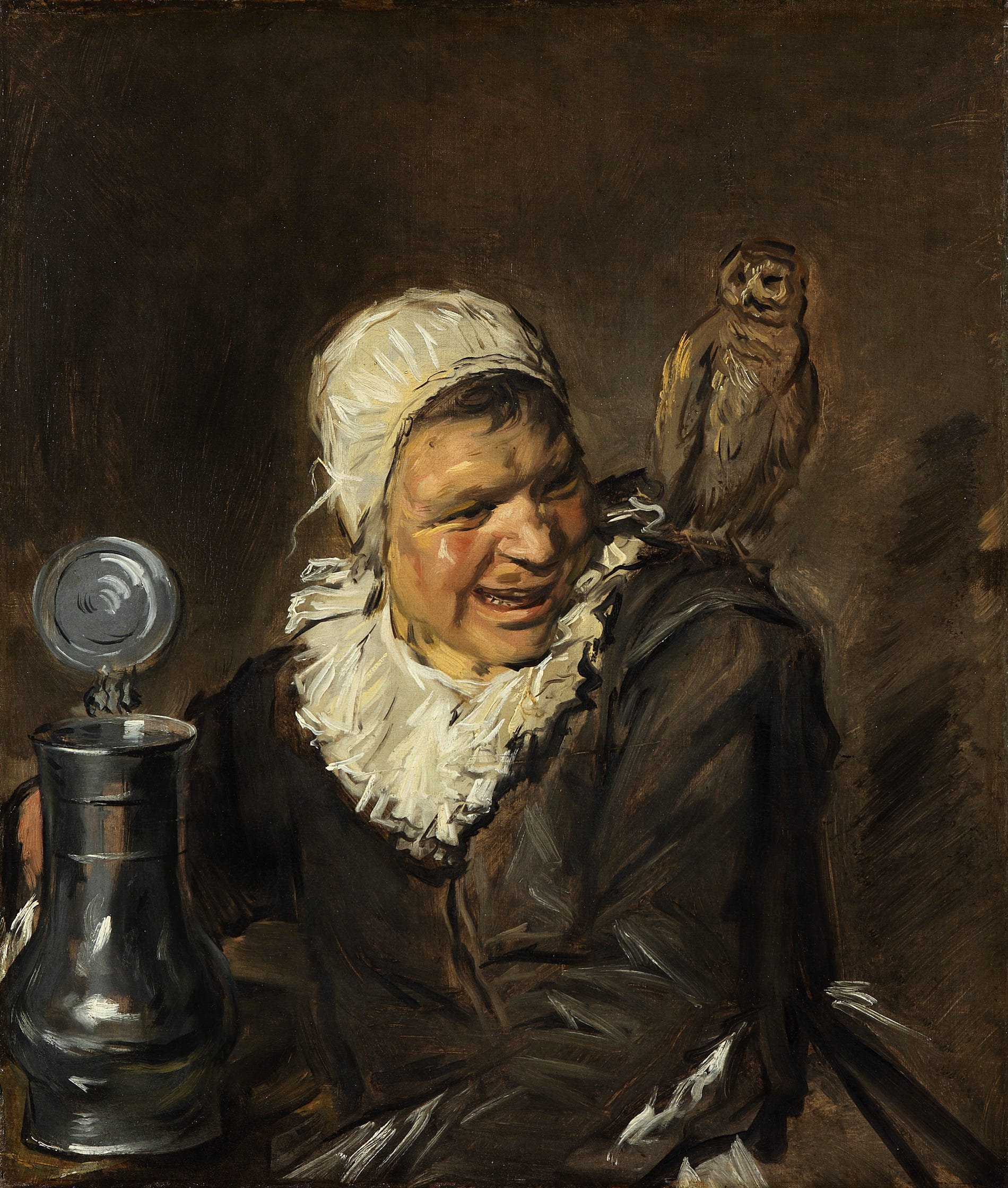
“Malle Babbe” translates as something like “Crazy Barbara” or “Crazy Babs.” It is clearly a nickname for a barfly, and probably not someone's actual name. She sits in front of an enormous pewter beer stein, explaining the drunken expressions on her face. And although the owl on her shoulder might represent wisdom in modern times, it was more representative of folly or madness in Dutch proverbs.
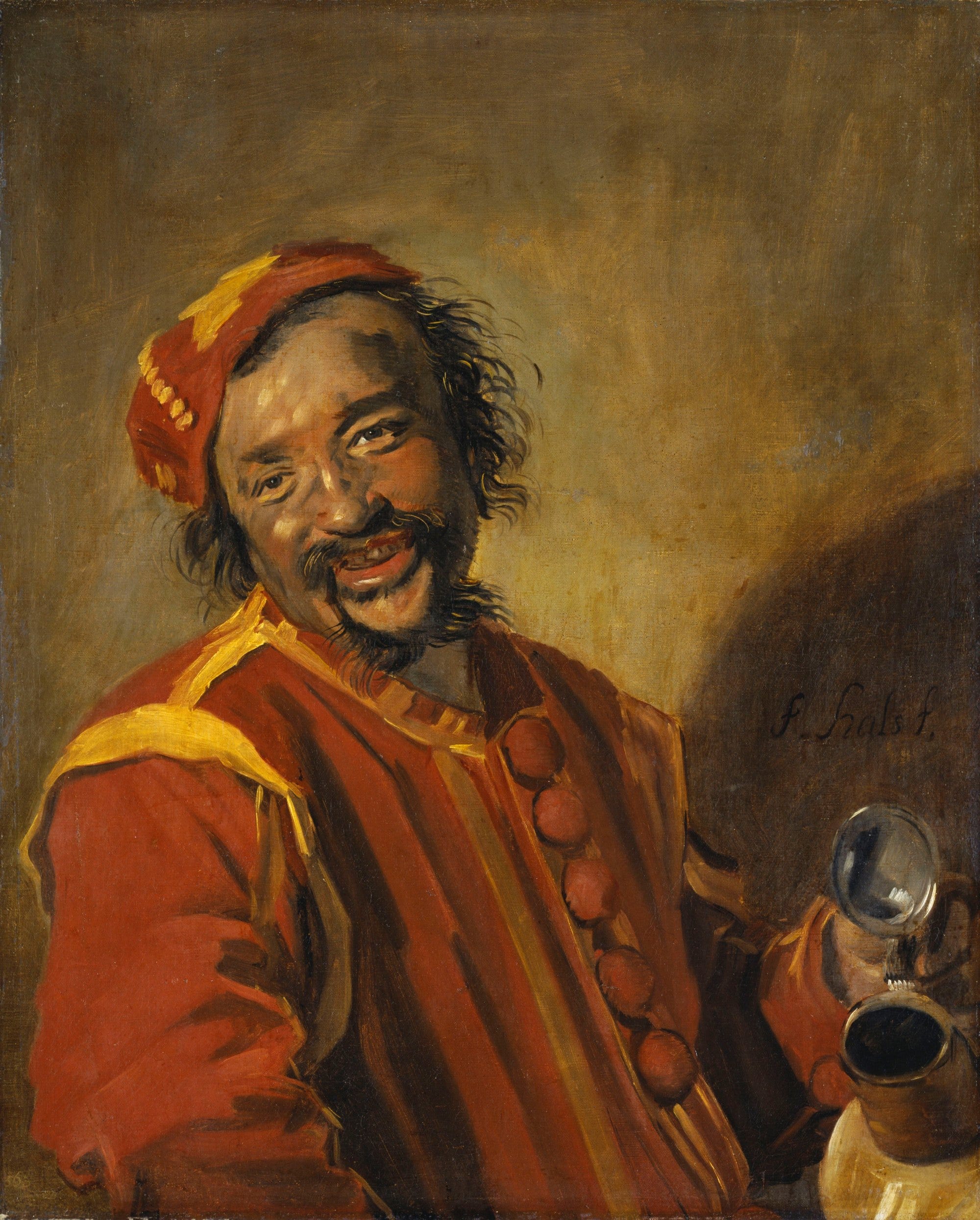
Here we have a happy barfly in a bright costume and hat, holding a big tankard in his hand. He seems to be pleading for a refill.
Judith Leyster—A Master Painter of Lively Tronies
Leyster was one of the leading women artists of the Dutch Golden Age, and was the only master painter in Haarlem’s Guild of St. Luke. Her works were misattributed to Fans Hals for many years after her death.
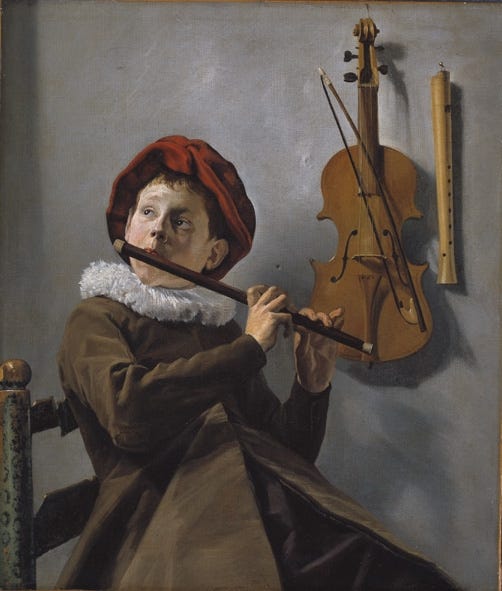
Michael Sweerts—A Restless Traveler
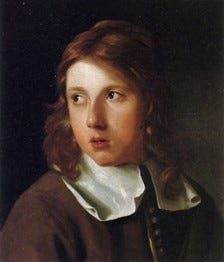
Michael Sweerts was born in Brussels, lived his life there and in Rome, Amsterdam and Persia, and died in Goa at age 45. One reason I include this painting in the survey is that it lives in San Francisco, so I see it from time to time. It does a great job of capturing the tenderness of boyhood.
Johannes Vermeer (of course)
Vermeer left us with four tronies, including what must be his best-known painting, Girl with a Pearl Earring.
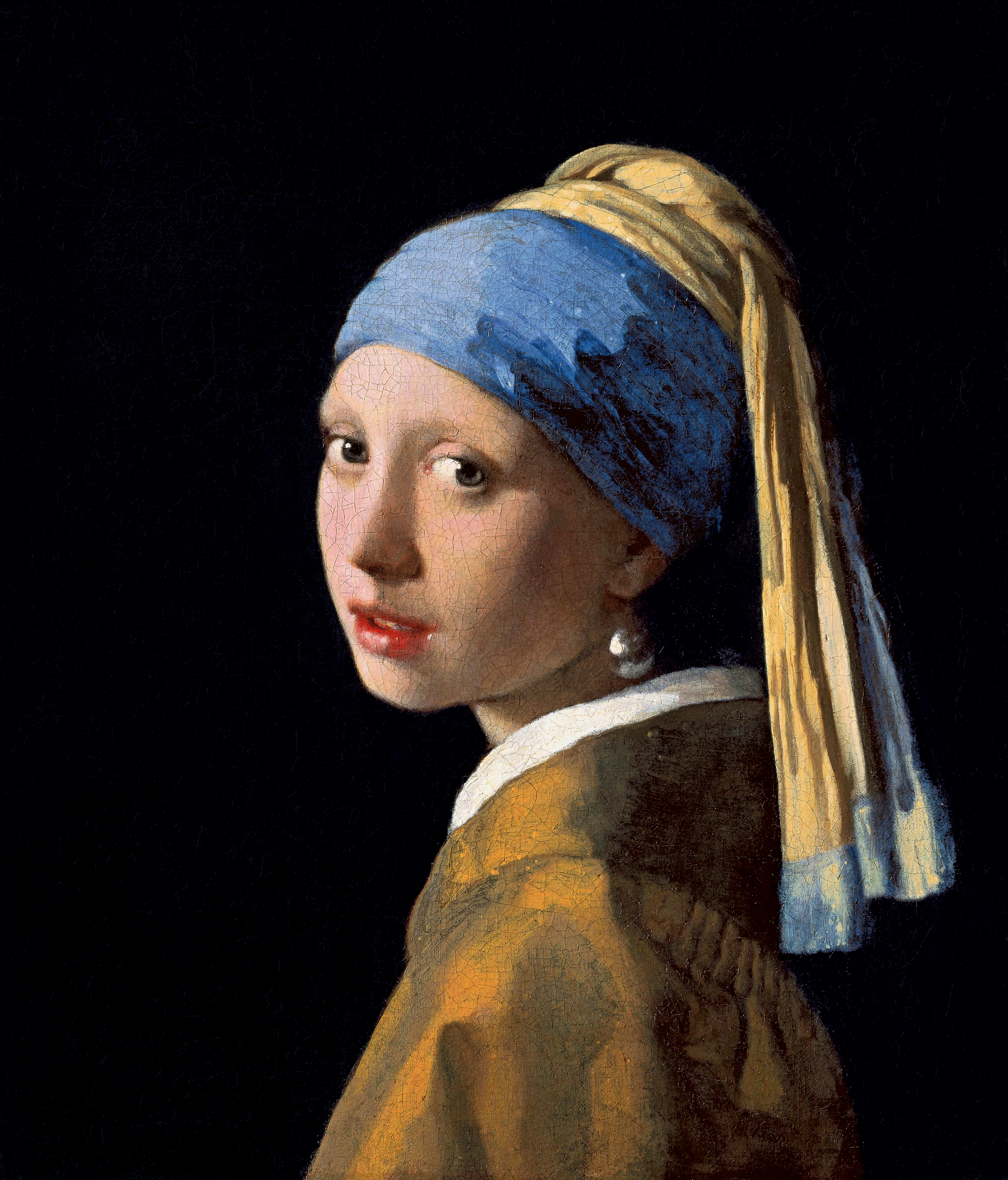
There was, of course, a sitter for the painting, and scholars have made a sport of conjecturing about who she might have been. But the painting is not meant to represent any particular person. It is just there to invite us to peer at that wonderful face, and wonder.
I will post an article about Vermeer’s four tronies in a subsequent article.
It is hard to imagine today that these paintings were mass-market efforts in their day—they are certainly masterpieces viewed with today’s eyes. These painters asked viewers to look at the faces the way we look with curiosity at a passing stranger. We are not asked to take home a story or a moral—just to smile and say, “Ah yes, I think I might know the type.”
These are great, and I giggled when I saw The Smoker.
It's probably my warped sense of humor, but most of those characters appear to be inebriated 😆